
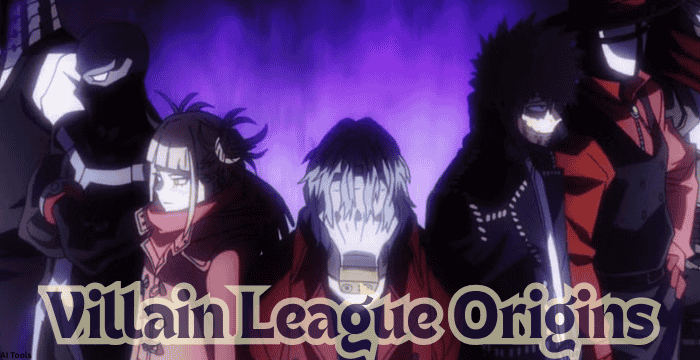
The League of Villains is one of the most influential and dangerous organizations in the My Hero Academia universe. Their actions have shaped major arcs, challenged the foundations of hero society, and pushed the world into a new era of chaos. Understanding their origins, goals, and leadership gives fans a deeper look into how villain ideology grew strong enough to rival an entire nation of heroes. This article explores the complete history of the League, its formation, evolution, and the powerful figures who shaped it.
Origins of the League – The Spark of Rebellion
The League of Villains did not begin as a massive terrorist organization. Instead, it started as a small, disorganized group formed by outcasts who grew resentful toward society. Their existence was deeply rooted in the cracks of hero society — a world that praised celebrities and powerful quirks while ignoring those who struggled to fit in. MHA World Map
The man who planted the seeds of the League’s ideology was All For One, one of the oldest and most dangerous villains in history. His belief was simple yet destructive:
If hero society builds walls, villains will gather in the shadows behind them.
He recruited and manipulated vulnerable individuals, nurturing hatred toward heroes and creating a philosophy that would later shape the League’s foundation.
The Rise of Tomura Shigaraki
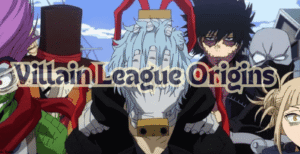
The true formation of the League began when Tomura Shigaraki, the successor of All For One, stepped into leadership. Traumatized as a child and rescued by All For One, Shigaraki was molded into a vessel of destruction.
Shigaraki’s initial group consisted of only a few loyal individuals, each with their own tragic past or desire for chaos:
- Kurogiri – the warp gate villain who functioned as Shigaraki’s caretaker.
- Dabi – a quiet but deadly villain with a deep vendetta.
- Himiko Toga – a cheerful yet psychotic girl fascinated by blood.
- Twice – a conflicted man with cloning powers and severe identity trauma.
- Spinner – a believer in Stain’s ideology.
- Mr. Compress – an expert at evasion and illusions.
Despite being small, this early team shared a common goal: to break the illusion of peace created by heroes.
The U.A. Attacks – Making Their Presence Known
The League’s first major step into the public eye was the attack on U.A. High School, where they targeted All Might — the symbol of peace. Although the mission failed, it brought the League global attention. Their message was clear:
Heroes can be touched. Students are not safe. Society is not protected.
This event marked a turning point, pushing the hero world into high alert and proving that villain organizations were becoming more strategic and organized.
Philosophical Influence – Stain’s Impact
After the League attempted to recruit the infamous Hero Killer Stain, something unexpected happened. Even though Stain refused to join, his ideology inspired a wave of followers across Japan. Many villains viewed the League as the embodiment of rebellion, and their numbers grew dramatically.
Stain’s influence gave the League something they lacked before:
purpose, ideology, and direction.
This philosophical shift helped transform them from a chaotic cluster of criminals into a movement that questioned hero society itself.
Expansion Through Conflict – Overhaul and New Alliances
The League continued to grow stronger by confronting and absorbing other villain groups. One major conflict occurred with Overhaul and the Shie Hassaikai organization. Although Overhaul initially underestimated Shigaraki, the League eventually outmaneuvered him, stealing his resources and dismantling his gang entirely.
Through this conflict, Shigaraki gained:
- More recruits
- Access to black-market technology
- Higher levels of respect from villain communities
- A stronger personal identity as a leader
This period solidified the League’s authority and influence.
The Meta Liberation Army & Formation of the Paranormal Liberation Front
The most significant transformation occurred when the League clashed with the Meta Liberation Army (MLA), a powerful organization with a massive following and political influence. What began as a conflict turned into a turning point in villain history.
Shigaraki defeated the MLA’s leader, Re-Destro, proving his strength and ideology were superior. This led to a dramatic merge:
League of Villains + Meta Liberation Army = Paranormal Liberation Front (PLF)
The PLF became the largest villain organization in modern history, with:
- Thousands of followers
- Multiple divisions
- Public influence
- Deep infiltration across cities
Shigaraki became the Grand Commander, leading a militarized force capable of destabilizing the entire hero system.
Key Leaders of the League
1. Tomura Shigaraki – Leader
- Quirk: Decay
- Goal: Destruction of hero society
- Personality: Ruthless, traumatized, strategic
He evolves from a confused follower into a commanding leader capable of reshaping the world.
2. All For One – Mastermind
- Quirk: All For One
- Goal: Control society from the shadows
- Influence: Manipulator, mentor, puppeteer
He is the architect behind Shigaraki’s rise and a symbol of villain domination.
3. Dabi – Flame Villain
- Quirk: Blue Flames
- Motivation: Revenge against hero society
- Role: Tactical powerhouse
His shocking identity later shakes Japan to its core.
4. Himiko Toga – Blood Manipulation Villain
- Quirk: Transform
- Motivation: Desire for freedom and obsession
- Role: Close-combat assassin
5. Twice – The Heart of the League
- Quirk: Double
- Motivation: Belonging and identity stability
- Role: High-value asset capable of mass cloning
Conclusion
The League of Villains began as a small group of misfits but grew into the most dangerous organization in the MHA world. Through ideology, conflict, and powerful leadership, they evolved into a movement that challenged the entire foundation of hero society. Their story is not just about destruction — it’s about the cracks in society that allow darkness to grow, and how a single ideology can inspire thousands.
FAQs (Frequently Asked Questions)
Q1: Who founded the League of Villains?
A: The League of Villains was originally influenced and shaped by All For One, who served as the mastermind behind its ideology and early development. However, Tomura Shigaraki officially leads the League.
Q2: Why did the League of Villains target U.A. High School?
A: Their early attacks on U.A. were intended to undermine the symbol of peace, All Might, and to send a message that hero society is vulnerable—even its future heroes.
Q3: How did Tomura Shigaraki become the leader?
A: Shigaraki was trained and groomed by All For One from childhood. His tragic past, combined with guidance from All For One, prepared him to become the League’s official leader.
Q4: What is the Paranormal Liberation Front?
A: It is the combined organization formed after the League of Villains merged with the Meta Liberation Army. Shigaraki became the Grand Commander, leading thousands of followers.
Q5: Who are the strongest members of the League of Villains?
A: The most powerful members include Tomura Shigaraki, Dabi, Himiko Toga, Twice, and Kurogiri—each contributing unique strengths to the organization.