
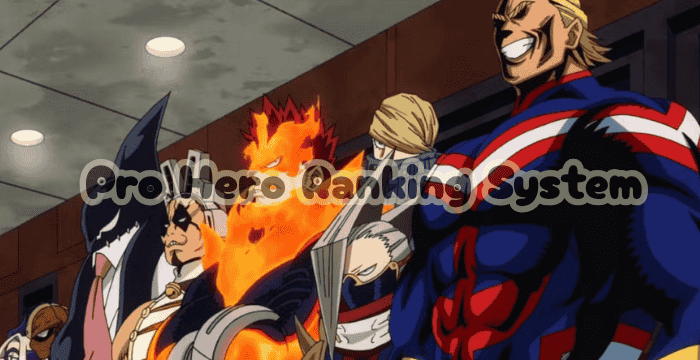
In the world of My Hero Academia (MHA), heroes aren’t just people with quirks—they’re part of a structured system that ensures public safety and maintains order in society. One of the most important aspects of this system is the Pro Hero Ranking System, which ranks heroes based on their skills, achievements, and contributions to society. Understanding this system is crucial for fans who want to grasp the dynamics of hero society.
What is the Pro Hero Ranking System?
The Pro Hero Ranking System is a hierarchical classification used to measure and rank professional heroes. It considers multiple factors like combat ability, rescue operations, media presence, and public recognition. The ranking helps in organizing hero work assignments and also reflects a hero’s reputation and influence in society.
In Japan, the Hero Public Safety Commission oversees this system. This government body ensures that heroes act responsibly and assigns them official ratings that affect their career progression. U.A. High School Guide
Hero Ranks Explained
The ranking system is primarily divided into tiers, often seen in both the manga and anime:
1. Rank A Heroes
- Top-tier heroes who are highly skilled and widely recognized.
- Usually have decades of experience and have completed countless successful missions.
- Example: All Might (at his peak), Endeavor.
- Rank A heroes often take on the most dangerous villains and serve as role models for younger heroes.
2. Rank B Heroes
- Strong and reliable heroes capable of handling difficult missions.
- Often serve as mentors to rookie heroes or team leaders in group operations.
- Example: Hawks, Best Jeanist.
- While not as famous as Rank A heroes, they maintain high standards of heroism and effectiveness.
3. Rank C Heroes
- Mid-tier heroes who are competent but still developing their reputation.
- Usually handle smaller-scale incidents and assist higher-ranked heroes when necessary.
- Example: Kamui Woods, Gang Orca.
- Many Rank C heroes aspire to rise to higher ranks through successful missions and public service.
4. Rank D Heroes
- Entry-level or newer pro heroes who are still proving themselves.
- Often handle minor incidents and community-based tasks.
- Example: Fat Gum (early career).
- This rank is crucial for heroes learning teamwork, strategy, and public interaction.
Factors Affecting Hero Rank
A hero’s rank isn’t just about fighting ability. Several key factors influence the ranking:
- Combat Skills & Quirk Mastery – How effective a hero is in battle and how well they utilize their quirk.
- Rescue Success Rate – Heroes who save more civilians and minimize casualties score higher.
- Media Presence & Public Recognition – Heroes who are recognized by the public and maintain a positive image often rank higher.
- Hero Licenses & Training – Completion of official hero training and licensing exams plays a role in eligibility.
- Teamwork & Leadership – Ability to lead a team or support other heroes during large-scale incidents.
Why the Ranking System Matters
The Pro Hero Ranking System is more than just a title—it has real-world consequences in the MHA universe:
- Mission Assignments: High-ranking heroes get high-risk missions that match their skill level.
- Public Trust: Citizens often rely on higher-ranked heroes in emergencies.
- Career Growth: Promotions and sponsorships are influenced by rank.
- Hero Society Dynamics: Rankings help maintain order and hierarchy among heroes, preventing chaos.
Conclusion
The Pro Hero Ranking System is an essential part of hero society in My Hero Academia. It not only reflects a hero’s abilities and achievements but also shapes their role in society. From Rank D rookies to Rank A legends, every hero works within this system to protect the public and inspire future generations. Understanding these ranks gives fans deeper insight into hero dynamics, rivalries, and the responsibilities each hero carries.
FAQs (Frequently Asked Questions)
Q1: Who decides the hero rankings in MHA?
A: The Hero Public Safety Commission oversees hero rankings in Japan, ensuring fair assessment based on skill, achievements, and public impact.
Q2: Can a hero move up or down in rank?
A: Yes. Hero ranks are dynamic. A hero can rise through successful missions, public recognition, and demonstrating leadership or combat excellence. Conversely, poor performance or misconduct can lower their rank.
Q3: What is the difference between Rank A and Rank B heroes?
A: Rank A heroes are the top-tier professionals handling the most dangerous missions and serving as public role models, while Rank B heroes are strong and capable but often serve as mentors or team leaders under Rank A heroes.
Q4: Do all heroes need a license to be ranked?
A: Yes. Obtaining a pro hero license is a prerequisite for entering the ranking system, as it certifies that the hero has passed official exams and training.
Q5: Why is media presence important for hero rankings?
A: Public recognition boosts a hero’s credibility and trustworthiness. Heroes with high media presence often gain higher ranks due to societal influence, not just combat skill.