
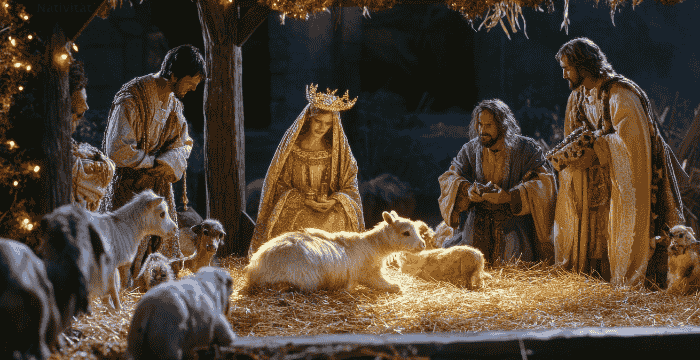
The term “Nativität” — meaning “Nativity” in English — refers to one of the most profound themes in Christian theology and art: the birth of Jesus Christ. Throughout history, artists, sculptors, and theologians have interpreted the Nativity not merely as a historical moment but as a symbolic event that expresses divine love, hope, humility, and the beginning of salvation.
From medieval frescoes to Renaissance masterpieces, the Nativity scene has been a central motif in Christian art, serving both as an act of devotion and as a rich visual language of spiritual truth. This article explores the symbolism, historical development, and lasting impact of the Nativität across centuries of artistic expression.
The Essence of Nativität: A Symbol of Hope and Divine Intervention
At its heart, the Nativität represents the incarnation of God as man — a mystery that stands at the center of Christian faith. The birth of Jesus in Bethlehem, humble and pure, symbolizes God entering human history to bring redemption and light to a world of darkness.
The setting — a simple manger, surrounded by shepherds, animals, and the Virgin Mary — embodies humility and purity. Unlike the grandeur of kings and empires, the birth of Christ in a stable reflects that divine greatness is revealed through simplicity. This powerful contrast has been a recurring theme in Christian art for centuries. Shelly D’Valle
Symbolism in the Nativity Scene
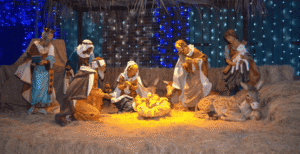
Every element in the Nativität carries deep symbolic meaning, carefully embedded by artists and theologians to communicate spiritual truths.
- The Manger: The feeding trough where Jesus is placed symbolizes both nourishment and sacrifice. It prefigures the Eucharist, where Christ is seen as the “bread of life.”
- Mary and Joseph: Mary’s calm, contemplative presence reflects faith and obedience, while Joseph represents protection, faithfulness, and moral strength.
- The Star of Bethlehem: A sign of divine guidance, the star symbolizes the light of God leading humanity toward salvation.
- The Shepherds: Representing the humble and faithful, they were the first to receive the good news, signifying that God’s message is open to all, regardless of status.
- The Wise Men (Magi): Their gifts — gold, frankincense, and myrrh — symbolize kingship, divinity, and mortality, acknowledging Jesus as king, God, and sacrifice.
- Animals (Ox and Donkey): Common in medieval art, they symbolize patience, service, and recognition of the divine in contrast to human indifference.
Through these symbols, artists crafted visual narratives that taught faith to both the learned and the illiterate, making the Nativity scene an early form of theological storytelling.
The Evolution of Nativität in Christian Art
The depiction of the Nativität has evolved dramatically across different eras, reflecting the artistic and theological priorities of each age.
- Early Christian and Byzantine Art (4th–9th century): The earliest representations focused on divine mystery rather than realism. Jesus appeared as a radiant child surrounded by celestial light, emphasizing his divine nature.
- Medieval Art (10th–14th century): Artists began incorporating symbolic realism, adding angels, shepherds, and the star. The focus was on the miracle of incarnation rather than human emotion.
- Renaissance Art (15th–16th century): With humanism’s rise, painters like Giotto, Botticelli, and Leonardo da Vinci depicted the Nativity with naturalism and emotion. The scene became more intimate and human, highlighting Mary’s maternal love and the child’s vulnerability.
- Baroque Period (17th century): Artists like Caravaggio used dramatic light and shadow to express divine revelation. The focus shifted toward spiritual intensity and realism, drawing viewers into the sacred moment.
- Modern and Contemporary Art: The Nativität continues to inspire reinterpretations — from abstract depictions of light and form to socially conscious reinterpretations that reflect modern struggles, emphasizing hope and renewal.
Theological Meaning and Spiritual Reflection
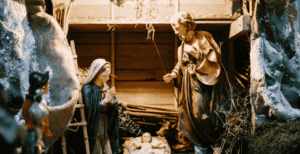
Beyond art, the Nativität embodies profound theological truths about the relationship between God and humanity. The birth of Christ represents Emmanuel — “God with us.”
In Christian theology, this moment is more than an event; it is the manifestation of divine love, showing that God chose to dwell among the poor, the humble, and the broken. It also teaches that redemption begins in vulnerability, and that divine strength is often revealed through gentleness.
This symbolism continues to influence Christian thought, especially during the Advent and Christmas seasons, where believers reflect on the mystery of the incarnation and the light of faith that guides them through darkness.
Cultural Impact and Artistic Legacy
The influence of the Nativität extends far beyond religion — it has shaped Western culture, literature, music, and visual arts for centuries. From the carols sung during Christmas to the intricate nativity displays in homes and churches, the theme remains a universal symbol of peace, love, and renewal.
In public art, it continues to serve as a reminder of compassion and humanity, transcending denominational boundaries. The enduring appeal of the Nativität lies in its message: that light can emerge even in the humblest of places, and that every birth carries the potential for transformation.
Conclusion
The Nativität stands as one of the most profound and beautiful symbols in Christian art and faith. Its rich tapestry of imagery — from the manger to the star — reflects not just the story of Jesus’ birth, but the universal themes of love, humility, and divine grace.
Through centuries of evolving artistic styles and interpretations, the message of the Nativity remains constant: hope is born anew in every heart willing to see the divine in the ordinary.