
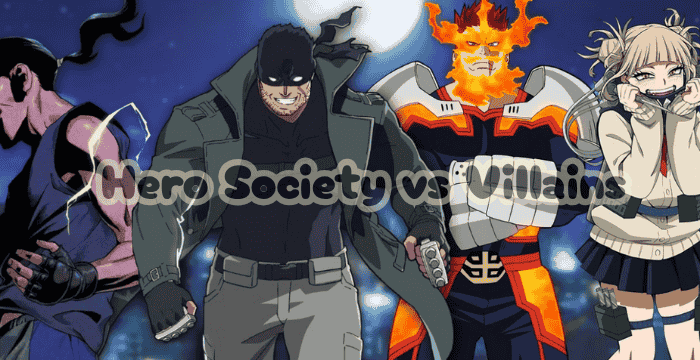
The world of My Hero Academia is built on the delicate balance between heroes and villains. Over the years, their clashes have shaped society, defined hero culture, and determined the fate of countless civilians. Understanding the timeline of events between Hero Society and villains gives fans deep insight into the stakes, rivalries, and evolution of the MHA universe. Pro Hero Ranking System
Early Villain Activity
Even before the formal establishment of hero agencies and licensing systems, villainous activities were present. These early criminals often exploited society’s lack of trained heroes.
- Pre-Hero License Era: Individuals with dangerous quirks caused chaos without much opposition.
- Rise of Villainous Groups: Small villain organizations started forming, hinting at coordinated criminal activity.
Formation of Hero Society
- Introduction of Pro Hero Licenses: Japan established the Hero Public Safety Commission to monitor hero activities and certify professional heroes.
- Ranking System Implementation: Heroes were ranked from Rank D to Rank A, ensuring structured responses to villain threats.
- Early Hero-Villain Clashes: The structured system allowed heroes to tackle criminal organizations more efficiently.
Major Villain Groups
Over time, villains became more organized, and their goals shifted from petty crime to systematic chaos:
League of Villains
- Founded by Tomura Shigaraki, this group seeks to destabilize hero society.
- Notable early incidents: attacks on U.A. High, forming alliances with other villain groups.
Meta Liberation Army
- A large-scale organization advocating “quirk freedom,” often clashing violently with heroes.
- Eventually merged with the League of Villains to form a stronger coalition.
Individual Villains
- High-profile villains like Overhaul (Kai Chisaki) and Dabi executed highly strategic attacks against heroes and civilians.
Key Conflicts & Timeline
Here’s a chronological breakdown of major conflicts between heroes and villains:
Year 0–3 (Early Hero Society):
- Pro hero system established.
- Minor villain incidents handled by Rank C and B heroes.
Year 4 (League of Villains Rising):
- U.A. High School attacked by the League during the internship arc.
- First major public clash between heroes and villain organization.
Year 5 (Overhaul Arc):
- Overhaul’s terrorist activities threaten society’s safety.
- Hero teams, including Class 1-A and professional heroes, intervene.
Year 6 (Meta Liberation Army & Hero Internships):
- Combined efforts of heroes and students stop mass destruction attempts.
Year 7 (Paranormal Villain Surge):
- Incidents involving League members like Dabi and Twice cause public panic.
- Hero rankings influence who responds to high-stakes emergencies.
Year 8–Present (Current Arc in Manga):
- League of Villains expands influence.
- Hero society adapts with higher cooperation among top-ranked heroes.
- Public trust in heroes is tested as villains execute sophisticated attacks.
How Hero Society Responds
Pro Hero Coordination:
- Rank A and B heroes handle large-scale threats while mentoring lower-ranked heroes.
Strategic Intervention:
- Villain activity requires coordinated planning, not just brute strength.
Public Safety Campaigns:
- Heroes also manage evacuation, rescue, and community safety during attacks.
Rising Threat Awareness:
- Hero society continuously adapts rules and strategies to prevent villain dominance.
Impact on Society
The ongoing battle between heroes and villains shapes the MHA world in several ways:
- Hero Reputation: Each successful mission increases public trust. Failures can lead to social unrest.
- Villain Escalation: Stronger heroes often provoke villains to organize and innovate new crimes.
- Student Training: Young heroes learn real-world consequences through internships and battle simulations.
- Legal & Governmental Actions: Laws and regulations evolve to handle quirk-related crimes effectively.
Conclusion
The timeline of hero-villain interactions in My Hero Academia shows a constantly evolving struggle. From minor quirk-based crimes to coordinated terrorist attacks, every incident tests hero society’s strength, adaptability, and moral code. Understanding this timeline not only clarifies the stakes of each battle but also highlights the resilience and growth of heroes as they protect society against relentless villain threats.