In the world of My Hero Academia, becoming a professional hero is not simply about having a powerful quirk. It requires discipline, training, legal certification, and mastery of both combat and rescue skills.
The Hero License System plays a critical role in regulating heroes and ensuring that only trained individuals are allowed to operate in dangerous situations. This article explores the complete journey from student to licensed hero — including training stages, exams, and the responsibilities that come with earning a Hero License. Villain League Origins
What Is a Hero License?
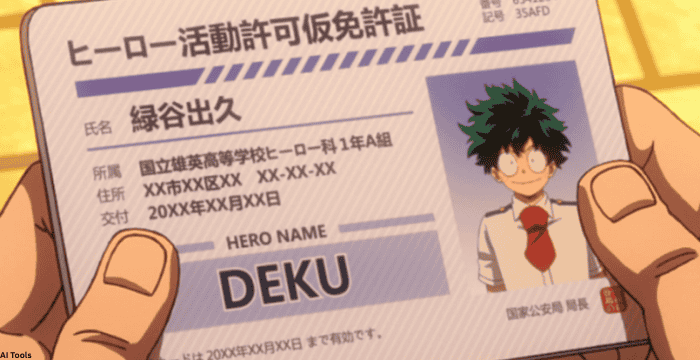
A Hero License is an official legal certification issued by the Hero Public Safety Commission. It grants individuals the right to use their quirks publicly for crime-fighting, rescue operations, and other professional hero activities.
Without a license, using a quirk in public — even for good intentions — is considered illegal. This rule ensures that heroes are properly trained and that civilians remain safe from unregulated quirk usage.
Types of Hero Licenses
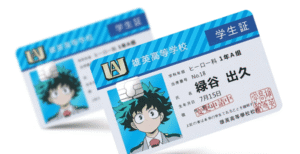
Hero licenses are issued at different levels based on training, age, and qualification:
1. Pro Hero License
- The highest-level license.
- Allows full hero work including combat, rescue, investigation, and agency leadership.
- Given after completing advanced education and passing the Pro Certification.
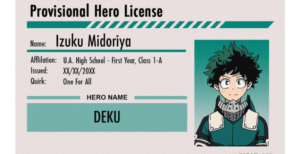
2. Provisionary Hero License
- Intermediate-level license for students.
- Allows students to help in hero work under supervision.
- Given after passing the Provisional License Exam.
3. Temporary Hero License
- Emergency-only license.
- Issued during crisis situations.
- Allows limited quirk usage for rescue or self-defense.
These levels ensure a controlled, safe path for aspiring heroes to develop their abilities.
Hero Training Path – From Student to Pro Hero
The journey to becoming a professional hero involves several stages, starting from classroom education to full-scale field experience.
1. U.A. High School and Hero Education
U.A. High School is Japan’s most prestigious hero academy, but similar institutions exist nationwide. Students begin their journey here:
Hero Course Training Includes:
- Quirk Control Classes
- Combat Drills & Battle Simulations
- First Aid & Emergency Response
- Hero Ethics & Laws
- Rescue Techniques
Teachers like All Might, Aizawa, and Midnight prepare students for real-world missions using strict and dynamic training methods.
2. Internships & Work Studies
After basic training, students experience the hero world firsthand through:
Internships
- Short-term training under professional heroes.
- Focused on observation and basic support work.
Work Studies
- Advanced field training where students actively assist in missions.
- Helps them develop leadership, decision-making, and combat instincts.
During these programs, students face real villains, witness rescue operations, and learn how hero agencies function.
3. Provisional Hero License Exam
One of the most important steps in a hero’s journey is the Provisional Hero License Exam. It tests whether students can use their quirks responsibly in real-world scenarios.
Exam Requirements:
- Demonstrate quirk control under pressure
- Protect civilians
- Coordinate with teammates
- Neutralize threats without causing unnecessary destruction
This exam separates casual quirk users from those ready to work responsibly. Heroes like Bakugo and Todoroki faced this challenge as part of their development.
4. Full Hero Certification
After mastering practical skills, students take the Pro Hero Licensing Exam — the final test before becoming a certified pro hero.
What It Includes:
- Written tests on hero laws & ethics
- Rescue simulations
- Combat strategy assessments
- Psychological evaluations
- One-on-one combat demonstrations
Only those who excel in both combat and rescue earn the prestigious Pro Hero License.
Skills Required to Become a Hero
Having a strong quirk is not enough. Heroes must master several essential skills:
1. Combat & Quirk Mastery
Understanding one’s quirk limits, strengths, and weaknesses is crucial.
2. Rescue Operations
Heroes are trained to evacuate civilians, provide first aid, and assess danger zones.
3. Decision-Making Under Pressure
Heroes must act quickly and intelligently during crises.
4. Teamwork & Leadership
Large-scale operations require coordinated efforts with other heroes and emergency teams.
5. Public Conduct & Ethics
Heroes are public figures; maintaining professionalism and discipline is mandatory.
Why Hero Licensing Matters
The Hero License system ensures that hero society functions smoothly and safely:
- Prevents quirk misuse
- Maintains public trust
- Creates accountability
- Ensures heroes are trained and reliable
- Helps organize missions and emergency responses
Without licensing, the world of My Hero Academia would be chaotic, with unregulated quirk usage threatening civilian safety.
Conclusion
The path to becoming a professional hero is long and challenging. From early quirk training to internships, exams, and ethical education, every step ensures heroes are capable and responsible. The Hero License system stands as the backbone of hero society, guaranteeing that only the most disciplined and prepared individuals step onto the field to protect civilians.
FAQs (Frequently Asked Questions)
Q1: What is a Hero License in My Hero Academia?
A: A Hero License is an official certification that allows individuals to use their quirks legally for crime-fighting, rescue missions, and public safety. Without a license, using a quirk in public is illegal.
Q2: How do students get a Provisional Hero License?
A: Students must pass the Provisional Hero License Exam, which tests quirk control, teamwork, rescue ability, and combat readiness under pressure.
Q3: What is the difference between a Provisional and Pro Hero License?
A: A Provisional License allows supervised hero work for students, while a Pro Hero License grants full legal authority to operate as a professional hero.
Q4: Why is training at U.A. High School important?
A: U.A. provides structured hero education, including combat training, quirk mastery, rescue drills, and internships that prepare students for real-world hero work.
Q5: Are heroes allowed to use quirks without a license?
A: No. Using quirks publicly without a license is illegal and can result in punishment, except during rare emergency-only permissions.