
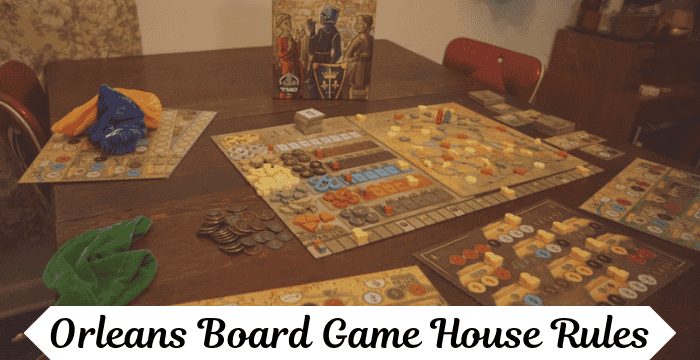
The board game Orléans is already known for its strategic depth, elegant bag-building mechanics, and endless replay value. However, many gaming groups enjoy adding house rules to personalize the experience, adjust balance, or introduce new challenges.
Because Orléans is flexible and modular, house rules fit naturally into the gameplay and often enhance the pacing, tension, and interaction between players. This complete guide explores the most popular house rules, why players use them, and how they can transform your sessions into a more engaging and competitive experience.
Why Use House Rules in Orléans?
While the official rules offer a strong foundation, many groups find that customizing certain aspects helps refine the game flow. House rules can serve several purposes, such as:
- Reducing downtime
- Increasing player interaction
- Balancing strategies
- Adding thematic immersion
- Adapting the game for beginners or advanced players
Orléans is modular by design, making it one of the easiest modern strategy games to modify without breaking core mechanics. Because the game revolves around bag-building and action selection, slight adjustments can create meaningful differences in strategy and pacing.
Popular House Rules for Orléans
Below are the most commonly used and well-tested house rules among experienced Orléans groups. Each one adds something different while keeping the gameplay smooth and thematic.
The Streamlined Event Deck Rule
Many players find that some events in Orléans are either too punishing or come too early in the game. To improve pacing, a popular house rule is to customize the event order.
How It Works:
Before the game, players remove or reorder events that can create unfair situations early on. Common adjustments include:
- Moving harsh events like “Plague” or “Harvest Failure” to later in the deck
- Removing repeated events that slow the game
- Adding positive events earlier to smooth the opening turns
Why Players Use It:
This creates a more balanced progression, ensuring players have enough time to develop their engines before facing difficult events. Gaming Updates from eTrueSports & eTrueGames
The Faster Setup Rule
Orléans is not difficult to set up, but for frequent players, saving time matters. Many groups use a simple house rule to avoid the slowest part of setup: distributing starting resources.
How It Works:
Instead of following the setup chart exactly, players receive a standard starting package such as:
- 1 Wool
- 1 Cheese
- 1 Grain
- 1 Coin
- 1 Worker Token
Why Players Use It:
It speeds up the beginning of the game without affecting balance. The consistent setup also makes each opening strategy easier to compare and refine.
The Bag Control Rule
Bag-building randomness is part of Orléans’ charm, but some players want slightly more control. A common house rule allows players to draw extra tokens and choose which ones to use.
How It Works:
During the planning phase, a player draws two additional tokens, then selects the specific tokens they want to place on their board.
Why Players Use It:
This rule reduces luck and increases strategic control, especially in competitive sessions. It makes advanced strategies more consistent while keeping the bag-building mechanic intact.
The Balanced Trader Rule
The Trader action can sometimes be extremely strong if one player monopolizes certain goods. To balance this, groups often modify the trade system.
How It Works:
A player cannot complete more than one trade per round unless they spend extra coins or workers.
Why Players Use It:
This prevents runaway leaders and keeps economic strategies balanced with development or building strategies.
The Shared Development Rule
Some groups enjoy more interaction and rivalry. This house rule increases competition for development spaces.
How It Works:
Certain development spaces on the board become limited to the first player who reaches them rather than being open to all players.
Why Players Use It:
It adds tension, forces earlier planning, and rewards timing. The race for development points becomes more exciting and competitive.
Advanced House Rules for Experienced Groups
For groups familiar with Orléans and its expansions, more advanced house rules add depth and long-term strategy.
The Dual Objective Rule
This house rule introduces personal objectives to diversify strategies.
How It Works:
Each player draws two private objectives at the start and chooses one to pursue quietly during the game. Objectives may include:
- Having the most Scholars
- Reaching 10 Development points
- Collecting 5 different types of goods
Why Players Use It:
It adds replay value and hidden strategy layers, making each game feel unique.
The Extended Buildings Rule
For groups using the Buildings expansion, a house rule allows players to buy buildings earlier.
How It Works:
Reduce the building cost by one coin or allow players to purchase two buildings in a single turn.
Why Players Use It:
It speeds up engine-building and encourages more experimentation with rare building combinations.
The Competitive Pilgrimage Rule
This rule adds pressure to the pilgrimage track.
How It Works:
Only the first two players to reach each milestone gain full benefits; the rest receive reduced bonuses.
Why Players Use It:
It turns the pilgrimage into a tactical race rather than a predictable bonus path.
Tips for Choosing the Best House Rules
Not every group needs every rule. Here’s how to select what works best:
- Focus on pacing: If your games feel slow, choose rules that reduce downtime.
- Encourage interaction: If your sessions feel isolated, pick more competitive rules.
- Reduce randomness: If players dislike luck swings, bag-control rules work perfectly.
- Enhance replay value: Adding objectives or limited spaces introduces long-term variety.
The key is testing them one at a time to see what improves your group’s enjoyment.
Final Thoughts
Orléans is a brilliantly designed strategy game, but its modular nature makes it ideal for custom house rules. Whether you prefer more strategic control, faster pacing, or heightened interaction, these house rules can reshape your experience while staying faithful to the core mechanics. Every group plays differently, so the best house rules are the ones that make your sessions more fun, engaging, and satisfying.