
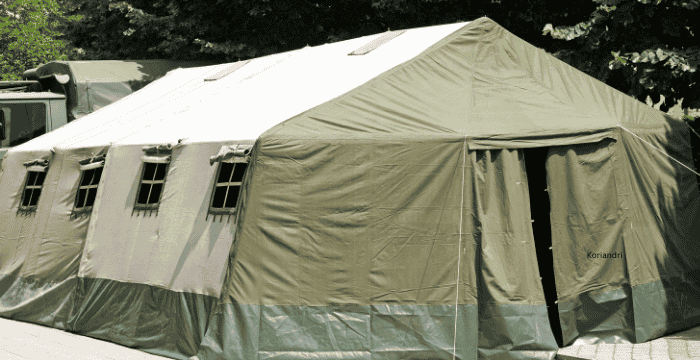
Tarnplanen is a term that has been appearing more frequently in discussions related to construction, outdoor gear, and industrial materials. While it may sound unfamiliar to some, it has practical applications and plays an important role in certain industries. This guide provides a complete overview of Tarnplanen, its uses, key features, safety considerations, and why it is relevant today.
What Is Tarnplanen?
Tarnplanen refers to protective tarpaulins or covers often used for outdoor, industrial, or construction purposes. The word “Tarn” is derived from camouflage, while “Planen” indicates a sheet or tarp in some European languages. Combined, Tarnplanen typically describes camouflage or protective sheets that are versatile, durable, and designed to withstand various environmental conditions.
These tarpaulins can range from simple waterproof covers for equipment to heavy-duty camo tarps used in military or hunting contexts.
Common Uses of Tarnplanen
Tarnplanen is widely used in multiple areas:
- Construction Sites: Protect machinery, building materials, and tools from rain, dust, and sun.
- Outdoor Activities: Hunters, campers, and survivalists use camo tarps for shelters, blinds, and gear protection.
- Industrial Applications: Factories or warehouses may cover sensitive equipment to prevent corrosion or dust accumulation.
- Transport and Logistics: Tarps protect goods during shipping, especially when exposed to outdoor conditions.
- Military Use: Camouflage tarpaulins provide concealment for equipment, vehicles, or temporary shelters.
The versatility of Tarnplanen makes it suitable for both professional and recreational purposes.
Materials and Construction
Most Tarnplanen products are made from durable, weather-resistant materials, including:
- Polyethylene (PE): Lightweight, waterproof, and UV-resistant.
- Polyvinyl Chloride (PVC): Stronger, more tear-resistant, and ideal for heavy-duty use.
- Canvas: Traditional material, breathable yet water-resistant when treated.
Edges often have reinforced grommets or loops to allow secure attachment with ropes or bungee cords. The combination of material strength and secure attachment points makes Tarnplanen highly reliable in harsh environments.
Key Features of Tarnplanen
- Waterproof and Weatherproof: Protects against rain, snow, and UV exposure.
- Durable and Tear-Resistant: Built to last in demanding outdoor or industrial conditions.
- Camouflage Options: Helps blend into natural surroundings for hunting, camping, or military use.
- Various Sizes: Available in small sheets for personal gear or large sheets for covering vehicles and construction equipment.
- Flexible Use: Can be tied, wrapped, or suspended in multiple configurations for maximum utility.
These features explain why Tarnplanen is widely used across industries.
Advantages of Using Tarnplanen
Using Tarnplanen offers several benefits:
- Protection of Equipment and Materials: Extends the lifespan of goods by preventing exposure to weather and dirt.
- Cost-Effective: Less expensive than permanent structures while providing temporary cover.
- Portability: Lightweight options are easy to fold, carry, and deploy.
- Adaptability: Suitable for many scenarios, from industrial use to outdoor adventure.
- Concealment: Camouflage patterns can reduce visibility of equipment or temporary shelters in outdoor settings.
Overall, Tarnplanen provides both functional and practical advantages.
Safety Considerations
While Tarnplanen is useful, certain precautions are essential:
- Secure Fastening: Poorly tied tarps can flap in the wind, damage objects, or create hazards.
- Material Choice: Choose a tarp that suits the weight, weather conditions, and intended use.
- Fire Safety: Some tarps are flammable; check specifications before using near heat sources.
- Regular Inspection: Over time, tarps can wear, tear, or lose water resistance; inspect periodically.
By following safety guidelines, Tarnplanen can remain effective and safe for extended periods.

Tarnplanen in Outdoor and Recreational Use
For campers, hunters, and survivalists, Tarnplanen is invaluable. It can be used to:
- Build quick shelters or tents
- Create camouflage for hunting blinds
- Protect food or equipment from rain and sun
- Serve as a ground cover to maintain dry camping areas
Its lightweight, foldable design allows it to be carried easily in backpacks, making it a popular choice among outdoor enthusiasts. Blazertje Explained
Tarnplanen in Industrial and Military Applications
In construction, industrial, and military settings, Tarnplanen serves a more professional purpose:
- Construction: Covers scaffolding, machinery, and building materials.
- Industrial: Protects sensitive equipment, pipes, or stockpiles.
- Military: Used for concealment, temporary shelters, and vehicle covers.
In these settings, durability, size, and camouflage effectiveness are critical factors for selection.
Conclusion
Tarnplanen is a versatile, durable, and practical solution for protecting equipment, materials, and outdoor setups. Whether used for camping, hunting, construction, or industrial applications, it provides waterproofing, camouflage, and portability. Its range of materials, sizes, and styles makes it adaptable to almost any situation.
By understanding the types, features, and best practices for using Tarnplanen, you can ensure that your equipment remains safe, your outdoor activities are successful, and your temporary setups are effective.