
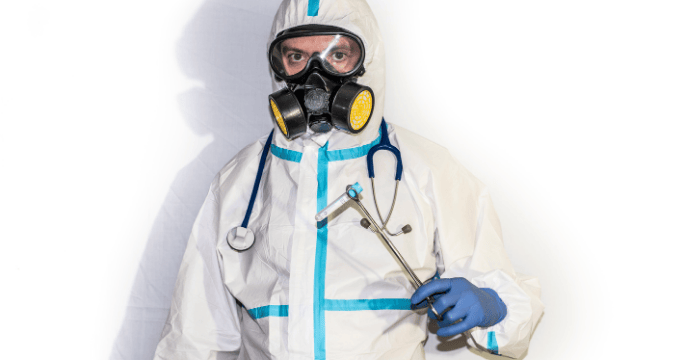
Asbestlint has become a topic of growing interest, particularly for people researching home safety, construction materials, and environmental hazards. While not a term everyone encounters daily, it is often mentioned in contexts related to asbestos, health risks, and safety regulations. This article provides a complete overview of what Asbestlint is, its uses, potential risks, and safety considerations.
What Is Asbestlint?
Asbestlint refers to materials that contain asbestos fibers embedded in fabric, tape, or insulation strips. The term typically comes from Dutch and other European languages, but its relevance is global because asbestos has been widely used in construction, industrial insulation, and fireproofing materials.
In practice, Asbestlint was commonly applied to seal pipes, insulate boilers, wrap cables, or prevent heat loss. Its fibrous structure made it effective for these purposes, but it also introduced significant health risks.
Uses of Asbestlint
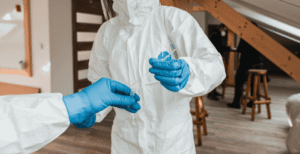
Historically, Asbestlint was valued for:
- Heat Insulation: Wrapping around boilers, hot pipes, and heating systems.
- Fireproofing: Reducing fire risk in industrial and residential settings.
- Sealing and Protection: Acting as a barrier against heat or friction on machinery.
- Construction Materials: Used in walls, ceilings, and ducts for insulation purposes.
Its popularity peaked in the 20th century, especially before awareness of asbestos hazards became widespread.
Health Risks Associated With Asbestlint
Asbestlint contains asbestos fibers, which are highly hazardous when inhaled. Prolonged exposure can lead to severe health problems, including:
- Asbestosis: Lung scarring that reduces respiratory function.
- Mesothelioma: A rare and aggressive cancer affecting the lining of the lungs or abdomen.
- Lung Cancer: Increased risk for individuals exposed to asbestos fibers.
- Respiratory Issues: Chronic coughing, shortness of breath, and irritation.
Even small fibers released from old or damaged Asbestlint can be dangerous, making proper handling critical. Transds Explained
Identification and Safety Measures
Identifying Asbestlint is not always easy. Key indicators include:
- Age of the building (pre-1980s structures are more likely to contain asbestos).
- Fibrous, paper-like or cloth-like material around insulation or pipes.
- Signs of wear, crumbling, or powdery residue.
Safety measures include:
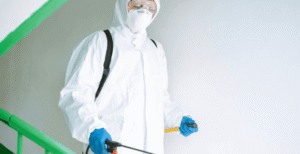
- Do not touch or remove it yourself. Disturbing asbestos can release fibers.
- Hire certified professionals for inspection, testing, or removal.
- Use protective equipment if accidental exposure is unavoidable.
- Follow disposal regulations for asbestos-containing materials.
Awareness and caution are essential to prevent exposure.
Modern Alternatives
Due to the risks, Asbestlint is no longer used in modern construction. Safer alternatives include:
- Fiberglass insulation
- Ceramic fiber wraps
- Mineral wool products
- Non-asbestos sealing tapes
These alternatives provide similar thermal and fireproofing properties without the severe health risks.
Regulations and Legal Considerations
Many countries have strict regulations regarding asbestos-containing materials, including Asbestlint. These laws often cover:
- Safe removal and disposal procedures
- Mandatory reporting in construction and demolition
- Workplace safety requirements for handling asbestos
- Restrictions on importing or selling asbestos-containing products
Compliance with these regulations is essential for both safety and legal reasons.
Conclusion
Asbestlint is a historical material used for insulation and fireproofing that contains dangerous asbestos fibers. While it played an important role in past construction and industrial applications, its health risks make it a material to avoid today. Proper identification, professional handling, and awareness of regulations are critical for anyone encountering Asbestlint.
Modern alternatives offer safer insulation and fireproofing solutions, making asbestos-based materials largely obsolete. Understanding the risks and taking preventive measures can protect both your health and your home environment.